

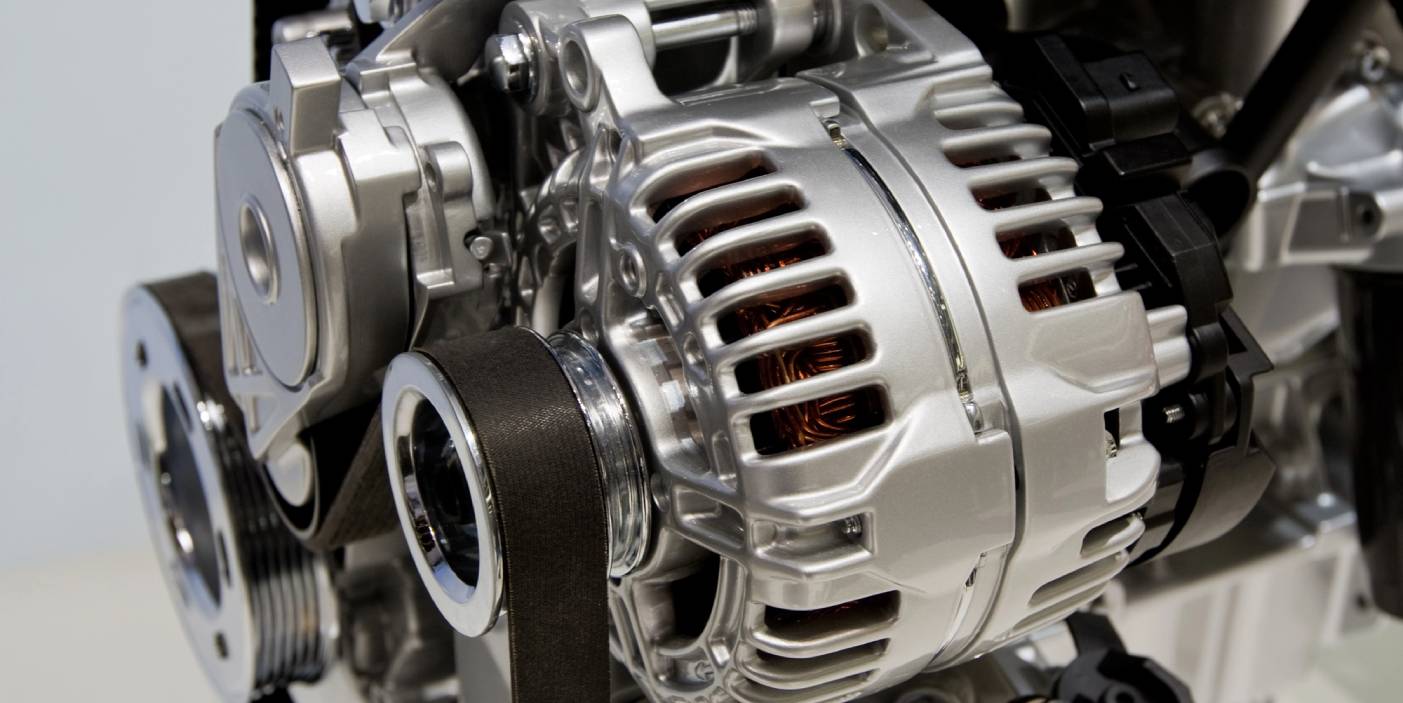
Every generation of Corvette has different electrical demands, and choosing the right alternator means matching output and fit to your specific car, not just grabbing whatever’s cheapest. Whether you’re replacing a failing OEM unit or upgrading for added accessories, here’s what actually matters, and where owners most often get it wrong.
Why Alternator Choice Matters More Than It Seems
An alternator that’s technically compatible but undersized for your actual electrical load will work fine most of the time and then struggle exactly when you need it most: headlights on, climate control running, and a sound system pushing hard on a long night drive. Getting the sizing and quality right upfront avoids a repeat failure a year or two down the line.
1. Match Output to Your Electrical Load
The alternator’s amperage rating needs to cover your baseline electrical draw plus any accessories you’ve added, like a premium stereo, auxiliary lighting, or aftermarket gauges. If you’ve modified your Corvette or plan to, a high output alternator gives you headroom so nothing overburdens the battery. A rough rule of thumb: add up the rated draw of every accessory you’ve added beyond stock, then look for an alternator rated comfortably above your stock output plus that total, rather than right at the line.
2. Confirm Generation-Specific Compatibility
Voltage and amperage requirements differ across Corvette generations, from early C1/C2 cars to the C8. An alternator built for one generation’s electrical architecture won’t necessarily bolt in or perform correctly on another, so always check compatibility against your exact model year, not just the generation as a whole, since mid-generation running changes sometimes affect connector types or mounting.
3. Consider Build Quality, Not Just Price
Look for alternators built with heavy-duty components, quality bearings, and heat- and corrosion-resistant housings. These hold up better under sustained heat cycling in the engine bay and typically last longer than budget units. A cheaper alternator that fails in two years often costs more in labor over time than paying more upfront for a unit built to last the life of the car.
4. Decide Between OEM, Remanufactured, and High-Output Upgrades
- OEM/stock replacement: Matches factory specs exactly, good for daily drivers with no added electrical load and the safest choice if you want a known quantity.
- Remanufactured: A cost-effective middle ground if the core unit is in good shape, though quality varies significantly by rebuilder, so reputation matters here more than almost any other category.
- High-output upgrade: Worth it if you’ve added performance electronics, a stereo system, or plan to track the car, since it adds a safety margin under sustained high-RPM use where stock units can be pushed closer to their limit.
5. Factor In Installation
Some alternator swaps are a straightforward bolt-in job; others (particularly on modified engine bays with non-stock accessories, brackets, or pulley setups) may require additional bracket or pulley changes. Confirm what’s included before you buy if you’re not installing it yourself, and check whether the listing includes a matching pulley, since high-output units sometimes ship with a different pulley ratio than stock.
Warranty and Core Charges
Most remanufactured and high-output alternators come with either a limited warranty or require a core exchange (returning your old unit for a partial refund). Factor both into your buying decision: a longer warranty offsets some of the risk of an unknown rebuilder, and understanding the core charge process upfront avoids a surprise fee if you don’t have your old unit ready to ship back.
Signs You Should Size Up Rather Than Replace Like-for-Like
If you’ve previously experienced dimming lights or electrical glitches under load even with a functioning alternator, or if you’ve added meaningful electrical accessories since the car was new, that’s a signal to size up rather than simply replacing with an identical stock-rated unit.
Common Mistakes When Buying an Alternator
The most frequent mistake is buying strictly by price without checking the amperage rating against actual electrical load, which leads to a unit that’s technically installed correctly but undersized for how the car is actually used. A close second is ignoring generation-specific mounting or connector differences and assuming any alternator listed for the broad model name will fit, which can result in a return or an unexpected wiring adapter purchase. Skipping the pulley check is another common oversight, since a mismatched pulley ratio can cause belt noise or premature belt wear even when the alternator itself functions correctly.
How to Verify Fitment Before You Buy
Cross-reference the listing against your Corvette’s exact model year, engine option, and any factory electrical packages (like a premium stereo or performance electronics package on applicable years) rather than relying on the generation range alone. When in doubt, having your VIN or original alternator’s part number on hand when contacting a parts specialist removes most of the guesswork and avoids a fitment mismatch that only becomes obvious after installation has already begun.
Frequently Asked Questions
Q: Do I need a high-output alternator if I haven’t modified my Corvette?
A: Not necessarily. A stock replacement matching factory output is usually sufficient for an unmodified car with no added electrical accessories.
Q: What’s the difference between a remanufactured and a new alternator?
A: A remanufactured alternator is a rebuilt unit tested to meet OEM specs, generally at a lower price point than new. Quality varies by rebuilder, so buying from a reputable source matters more than chasing the lowest price.
Q: How do I know what amperage alternator I need?
A: Add up the continuous draw of your accessories and compare it to the stock alternator’s rated output. If you’re close to or exceeding stock capacity, size up rather than replacing like-for-like.
Q: Is it worth paying more for a warranty on a remanufactured alternator?
A: Generally yes. Alternator quality varies enough between rebuilders that a longer warranty is a reasonable proxy for confidence in the rebuild, and it protects you from a repeat labor cost if the unit fails early.
—







Leave a Response